
On the road9 min read · 4 March 2026
Driving in Kuala Lumpur for the first time
It is easier than you fear and different from what you expect. The roads are good, the signs are in English, and the motorcycles are the thing to plan around.
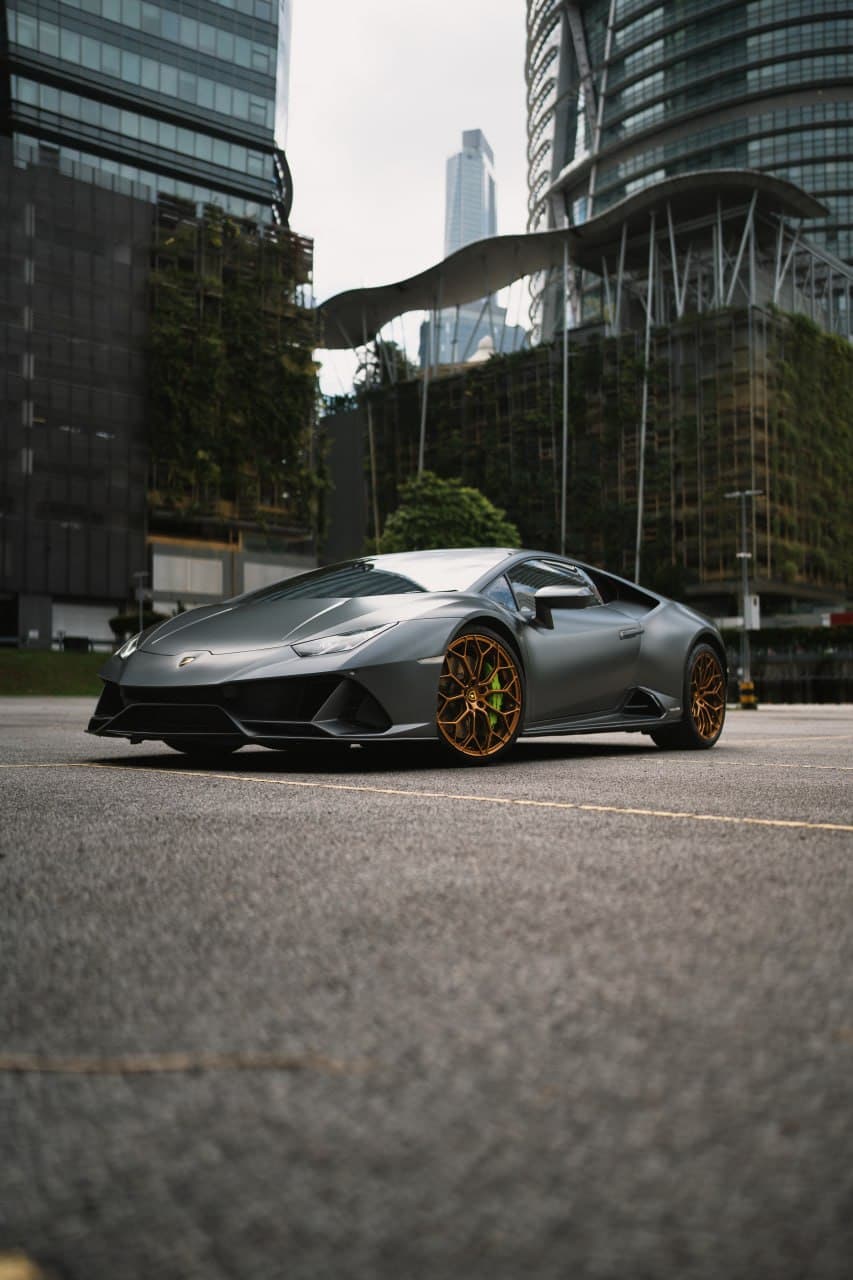
Kuala Lumpur has a reputation among visitors for being a difficult place to drive, and it is not really deserved. The road surfaces are good, the expressway network is modern and well-signposted in English, fuel is cheap, and Malaysian drivers are patient by regional standards. What the city does have is a set of local habits that nobody explains to you, and it is those, rather than the traffic, that make the first hour uncomfortable.
You drive on the left
Malaysia drives on the left, like the UK, Australia, Japan, Thailand and neighbouring Singapore. The steering wheel is on the right of the car. Roundabouts turn clockwise and you give way to traffic already on the roundabout, coming from your right.
If you have only ever driven on the right, you will be completely fine on a main road within twenty minutes — the traffic around you does the work of keeping you honest. The two moments that genuinely catch people out are both moments when there is no other traffic to copy: pulling out of an empty car park, and turning at a deserted junction late at night. Both are how visitors end up briefly on the wrong side.
The trick that works: for your first day, say the word 'left' out loud every time you turn. It feels ridiculous. It is also the single most effective habit we have seen, and every experienced driver who has swapped sides will tell you the same.
The other reflex to expect is the wiper. In most cars here the indicator stalk is on the right and the wipers on the left, the opposite of a European or American car. You will clear a dry windscreen at your first three junctions. Everyone does. Nobody minds.
The motorcycles are the real skill
Malaysia has an enormous motorcycle population and riders filter between lanes constantly, at speed, on both sides of you. At a red light they will flow forward and fill every gap in front of the stop line. On the expressway they will pass between two lanes of moving traffic at a closing speed of thirty or forty kilometres an hour. In the rain they use the underpasses to shelter, which means a stationary cluster of bikes under a flyover you were about to drive through at speed.
None of this is dangerous if you plan for it. Three rules cover almost everything:
- Mirror-check before every single lane change, including small corrections. A bike that was not there two seconds ago is there now.
- Never open a door without looking behind you, especially on the kerb side. This is the most common tourist-and-motorcycle incident in the city.
- Leave a car's length at the lights instead of closing right up. Bikes will use it, and that is better than them using your mirror.
Time your day around the peaks
Kuala Lumpur traffic is heavy from about 7.00 to 9.30 in the morning and from 5.00 to 8.00 in the evening, Monday to Friday. It is not gridlock so much as a slow crawl on the arterials — Jalan Tun Razak, the Federal Highway, the Duke and the LDP all fill up. Friday afternoons are worse than other weekdays because Friday prayers move a lot of people at midday and the weekend exodus starts early.
Plan around it and the city transforms. Leave for Genting at six-thirty in the morning and you have an empty road. Do the city night loop at ten at night and you will barely stop. A visitor who drives at the same times as commuters will conclude that KL traffic is terrible; a visitor who drives at nine in the evening will conclude it is one of the easiest cities in Asia.
Signs, lanes and the things that mean something else here
Signage is bilingual and the English is reliable. A few words are worth knowing anyway: Jalan means road, Lebuhraya means expressway, Persiaran is an avenue, Awas means caution, Kurangkan laju means reduce speed, and Ikut kiri means keep left.
Lane discipline is loose. The right-hand lane on an expressway is nominally the fast lane and is largely respected, but expect to be undertaken and expect a car to move across two lanes for an exit with very little notice. Indicators are used less than you may be used to. Assume the car beside you might move, and you will never be surprised.
Speed limits are 110 km/h on most expressways, 90 on trunk roads and 50 to 60 in town, and they are enforced by fixed cameras and by AES gantries that photograph you without any warning. Fines follow the registered owner, which is us, and we pass them to you at face value with the notice.
Parking, and why it dictates your car choice
Malls and hotels have covered multi-storey parking that is cheap, plentiful and takes Touch 'n Go at the barrier. This is where you should park, always — it is a hot country and a shaded bay makes a real difference to a car that has sat all afternoon.
The problem is the ramps and the height barriers. A lot of city car parks were designed for a Perodua Myvi, and a two-metre barrier or a steep sloped entry is a genuine obstacle for a wide SUV or a low supercar. If you are staying in KLCC or the older city centre and you want something exotic, tell us your hotel and we will call and check the barrier for you before we bring the car. It sounds fussy. It has saved dozens of people a very bad afternoon.
Fuel, and how cheap it really is
Petrol comes in two grades, RON95 and RON97. Every performance car in our fleet takes RON97 — the yellow pump, clearly labelled, available at every Petronas, Shell and BHPetrol. It costs a fraction of European or Australian fuel, which is one of the quiet pleasures of driving something thirsty here.
Klang Valley stations are self-service. Pay-at-pump sometimes rejects foreign cards, so if it does, note your pump number and pay at the counter instead — this is normal and the attendant will not blink. Outside the city, stations are often attended, and it is customary to say how much you want in ringgit rather than in litres.
Rain changes everything for twenty minutes
Tropical rain here is not drizzle. It arrives in the afternoon, comes down hard enough to reduce visibility to a car's length, floods the drainage at underpasses, and then stops completely. It rarely lasts more than half an hour.
The correct response is to slow down considerably and, if it is truly heavy, pull into a petrol station forecourt and wait it out with a coffee. Do not drive into standing water at an underpass — the depth is genuinely unpredictable and it is the single most expensive mistake a visitor can make in a rental car. Twenty minutes later the road will be dry and the sky will be clear.
Your first drive should be a short one
Our advice to every visitor is the same. Take delivery at your hotel in the early evening. Do the city night loop — an hour and a half, no tolls, low speeds, every landmark lit. You will have adapted to the left-hand side, learned where the mirrors are and how wide the car is, and used the Touch 'n Go card once, all in a context where nothing is rushed. Then set off properly the next morning and enjoy the rest of it.
Ready to actually do it?
Send us your dates and where you're staying. We'll confirm which documents you need, what the deposit is, and whether the car you have in mind suits the drive you have in mind.