
Practicalities8 min read · 27 May 2026
Tolls and Touch 'n Go, explained for visitors
There are no cash lanes left on Malaysian expressways. Here is how the card works, which lane to use, and what to do if the barrier does not open.
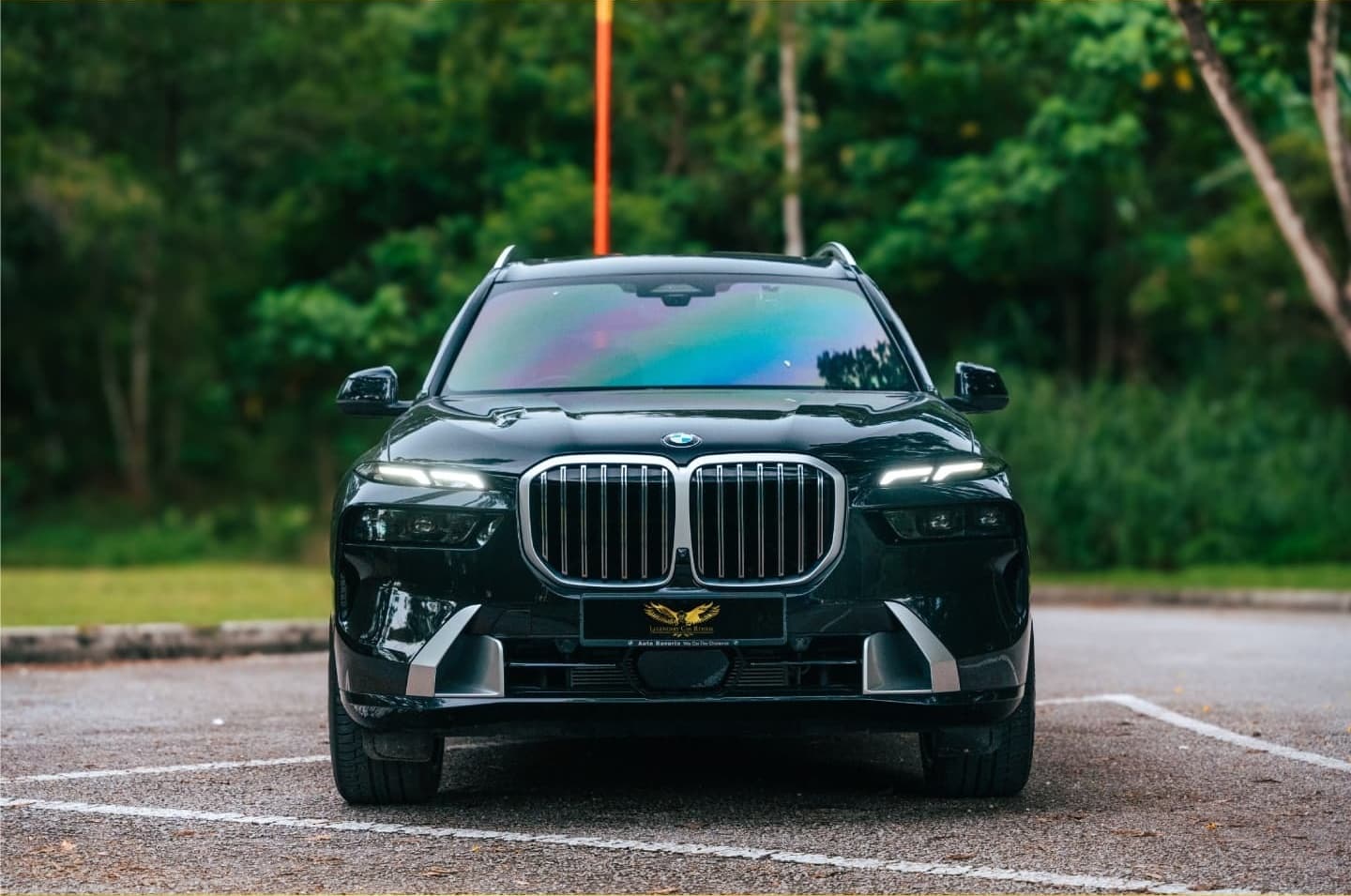
Almost every expressway in Malaysia is tolled, and since cash was phased out entirely, every single toll plaza in the country is electronic. For a visitor this is either completely painless or briefly stressful, and the difference is about five minutes of understanding before you set off.
What Touch 'n Go actually is
Touch 'n Go is a stored-value contactless card, about the size of a credit card, that you load with ringgit and tap against a reader at the toll barrier. It has been the national standard for decades and it also works on the LRT and MRT, at most mall car park barriers, and at a lot of drive-through parking in the city.
It is a prepaid card, not a payment card. There is no account behind it and no credit. If the balance runs out, the barrier does not open. That is the only real failure mode and it is entirely avoidable.
Every car we rent goes out with a loaded Touch 'n Go card in the holder by the windscreen or in the centre console, and we tell you the balance at handover. For a normal week of city driving and a couple of day trips it will be more than enough.
The three types of lane, and which one is yours
Malaysian toll plazas have lanes marked with different signs, and picking the wrong one is the classic visitor mistake. Here is what they mean:
- Touch 'n Go / TNG — you stop at the barrier, hold the card flat against the reader on the pillar, wait for the beep and the displayed balance, and the barrier lifts. This is your lane in most of our cars.
- SmartTAG — for cars with a SmartTAG in-car reader mounted on the windscreen, which reads the card as you roll through. Do not use this lane unless the car has one. The barrier will not open and you will have a queue behind you.
- RFID — a sticker on the windscreen or headlamp read by an overhead scanner, linked to a wallet. Some of our newer cars use RFID instead of a card; if yours does, we will tell you at handover and you simply drive through the RFID lane at walking pace.
If you are ever unsure, look at what the pillar reader looks like as you approach and follow the car in front. Slow down early — the plazas have plenty of room and nobody minds a hesitant tourist as much as you think.
Open and closed toll systems
Two systems exist and they behave differently. On short urban expressways — the Duke, the Sprint, the SMART tunnel, most of the Klang Valley network — the toll is a flat charge and you tap once, at a single barrier, as you pass. Simple.
On the long inter-city expressways, primarily the North–South Expressway, the toll is by distance. You tap on entry to take a record, and tap again on exit, at which point the distance-based fare is deducted. If you tap in and then leave by a route that does not register a tap out, the system charges you the maximum fare for that stretch on your next transaction. It is not a fine, but it is unwelcome.
Topping up
You can top up a Touch 'n Go card at petrol station counters, 7-Eleven, mall customer service desks and dedicated kiosks at the larger toll plazas and transport hubs. It is a cash-or-card counter transaction that takes under a minute — hand over the card, say how much, tap it on their reader.
There is also a Touch 'n Go eWallet app, which Malaysians use for everything. As a visitor you will generally find it needs a Malaysian phone number and a local bank link to be useful, so the counter top-up is the practical route. If you buy a local prepaid SIM at the airport — which is cheap and worth doing anyway — the app becomes an option.
Roughly what to budget: a day trip to Genting and back is RM 12 to 16 of tolls. Melaka and back is around RM 40. Penang and back, including the bridge, is closer to RM 100. Nothing here is expensive by international standards.
What happens if the barrier does not open
Do not reverse. Do not panic. Every lane has an intercom button and a camera, and every plaza is staffed. Press the button, say what happened, and an attendant will come out — usually within a minute. If the balance was insufficient, they will process it manually and, in some cases, issue a slip for you to settle later.
If it happens with our car, message us on WhatsApp while you wait. We can confirm the card details, the vehicle registration and the account to the attendant directly, which resolves it faster than you explaining it in a second language at a toll plaza.
The other charges visitors meet
Toll is not the only thing that will use the card. Mall car parks in Kuala Lumpur almost all accept Touch 'n Go at the exit barrier, which is far quicker than the pay machine. The SMART tunnel under the city charges a flat toll and is often the fastest route across town. And if you drive into Singapore — which needs our prior authorisation — there is a separate set of border charges and a Vehicle Entry Permit that the Malaysian card does not cover.
Speed cameras are a separate matter
Worth saying clearly, because visitors sometimes conflate the two: toll gantries and speed camera gantries look similar and do completely different jobs. The AES speed enforcement cameras on the North–South Expressway and the Karak descent photograph vehicles exceeding the limit and generate a summons weeks later, sent to the registered owner. That is us, and we pass it to you at face value with the official notice and no markup. The toll gantry just takes your ringgit.
In short
Keep the card in the door pocket where you can reach it without unbuckling. Look at the lane sign before you commit. Tap flat, wait for the beep, watch the balance on the display. Top up when it drops under fifty ringgit. That is the entire system, and after the third toll plaza you will not think about it again.
Ready to actually do it?
Send us your dates and where you're staying. We'll confirm which documents you need, what the deposit is, and whether the car you have in mind suits the drive you have in mind.